One of the things I love most about home education is that learning doesn’t always happen at a desk. Sometimes it happens while watering plants, watching insects, or simply noticing what’s changed since yesterday.
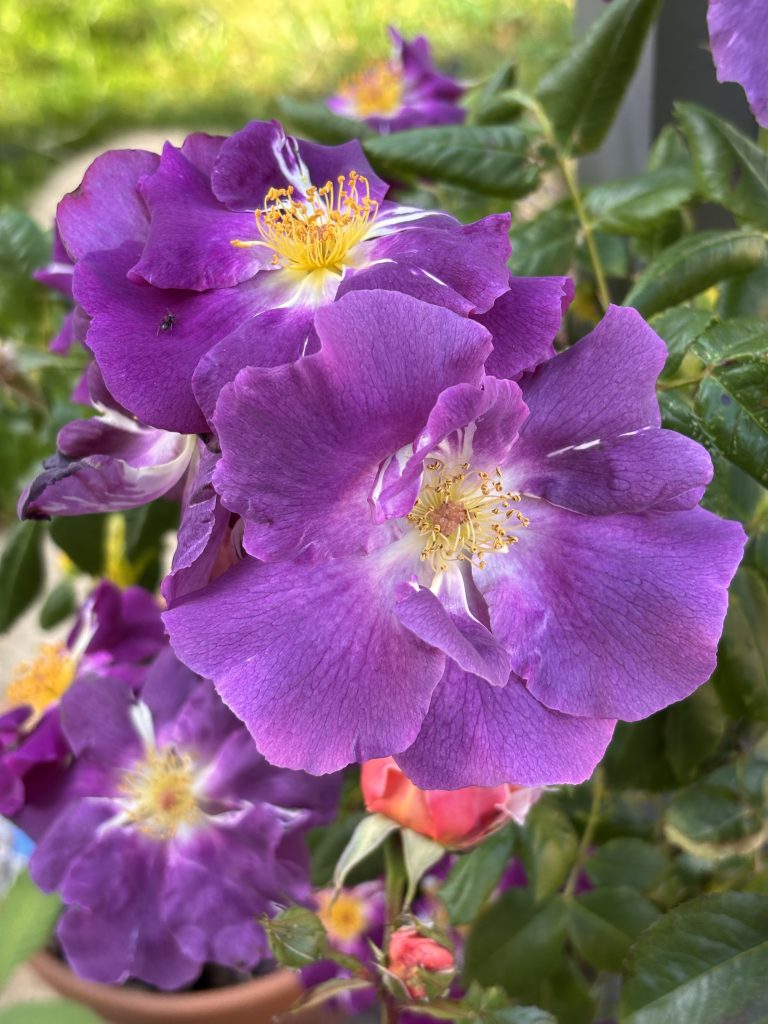
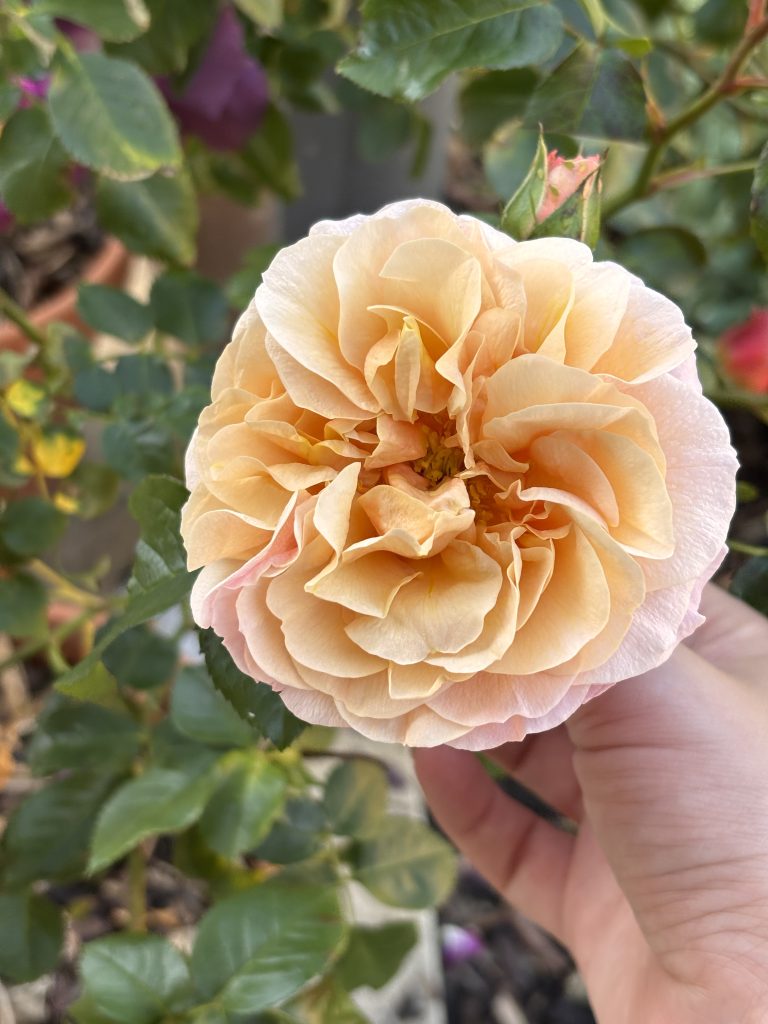
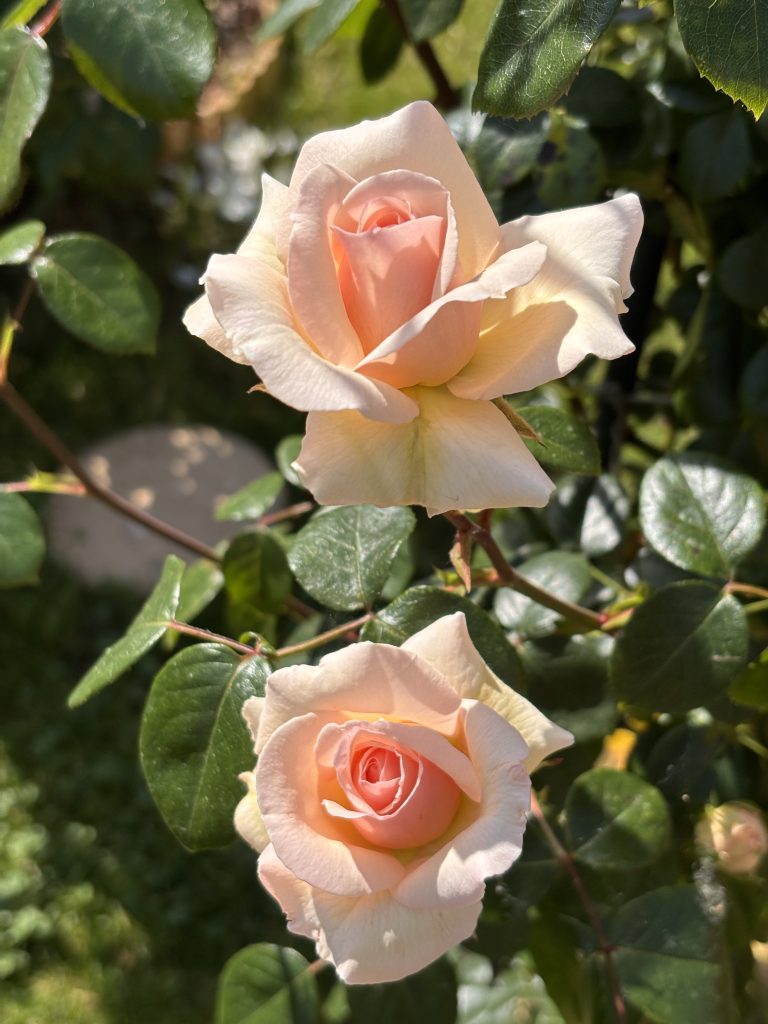
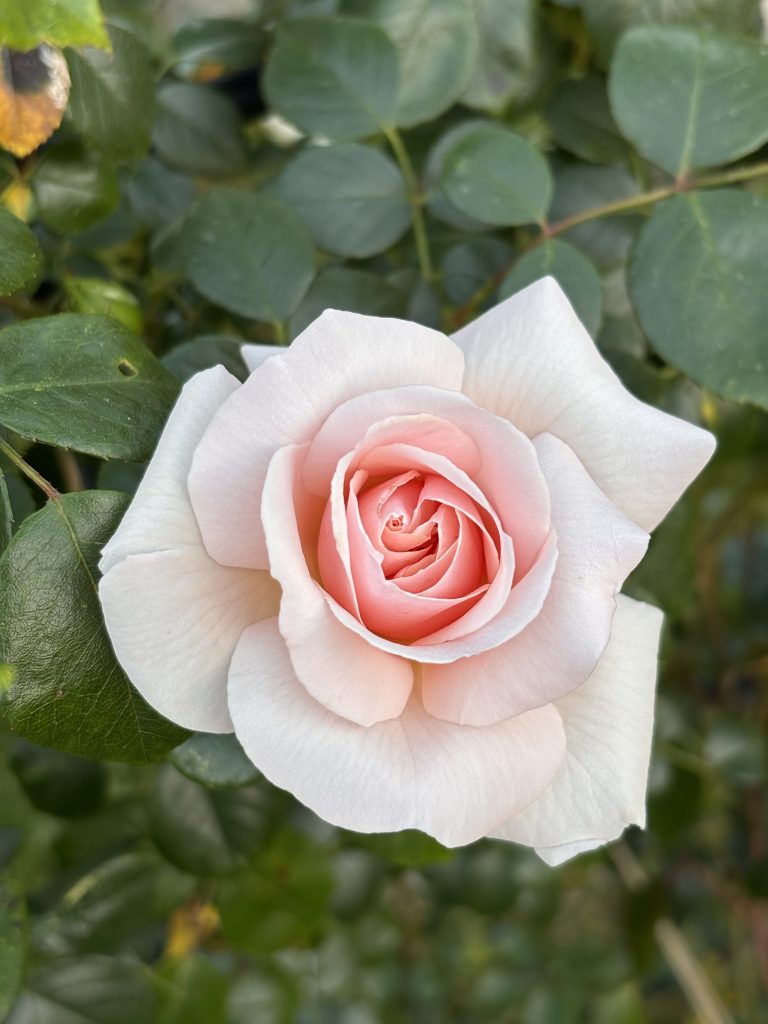
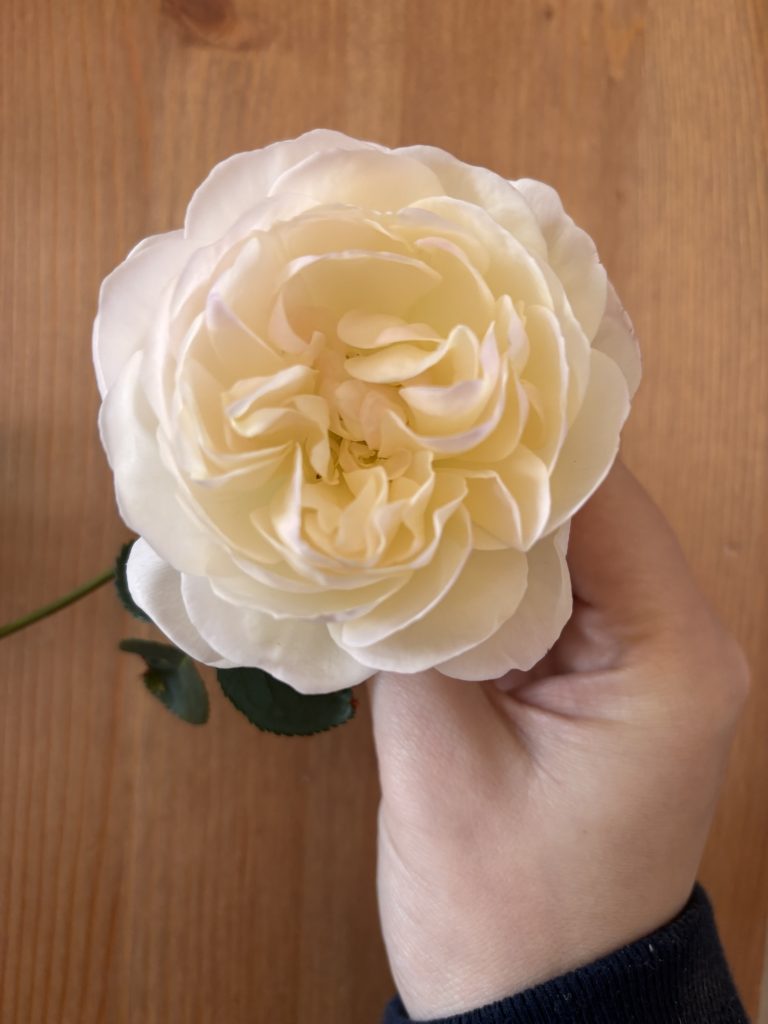
This week has been a particularly exciting one in our garden. Our roses have burst into bloom, filling the garden with colour just as summer is getting into full swing. There’s something magical about seeing the first flowers open after watching the plants grow and develop throughout the year.
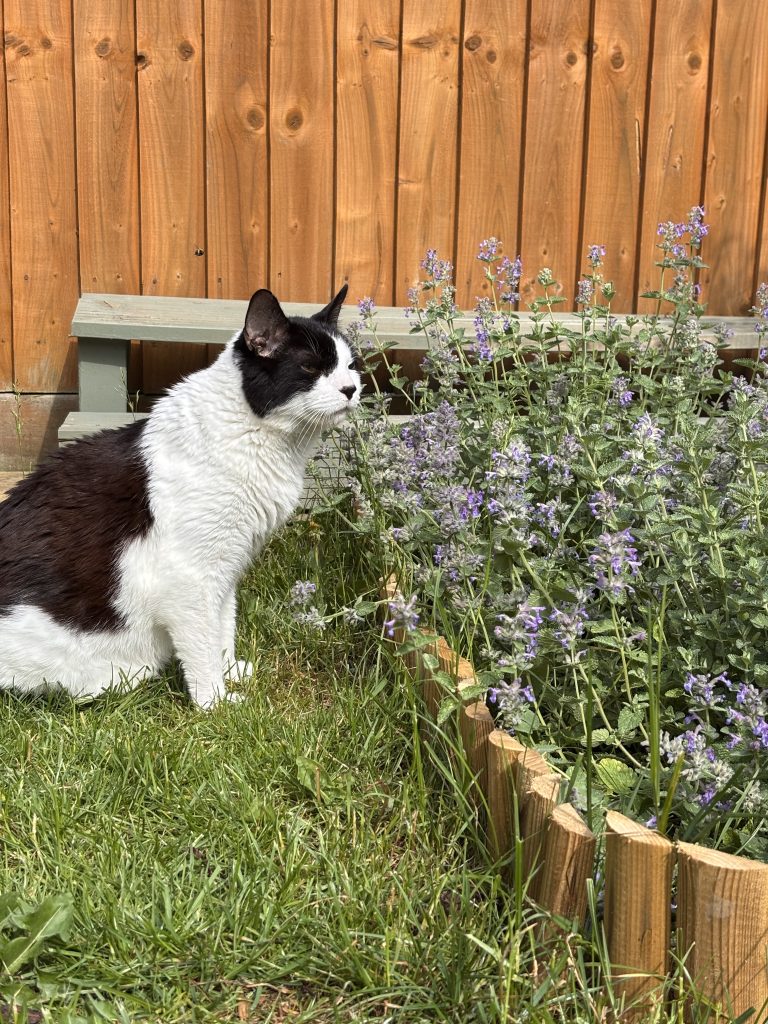
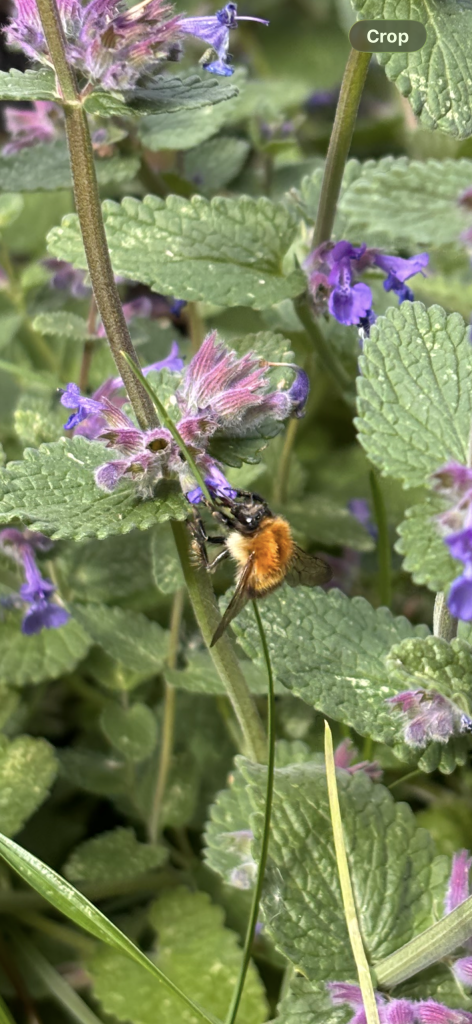
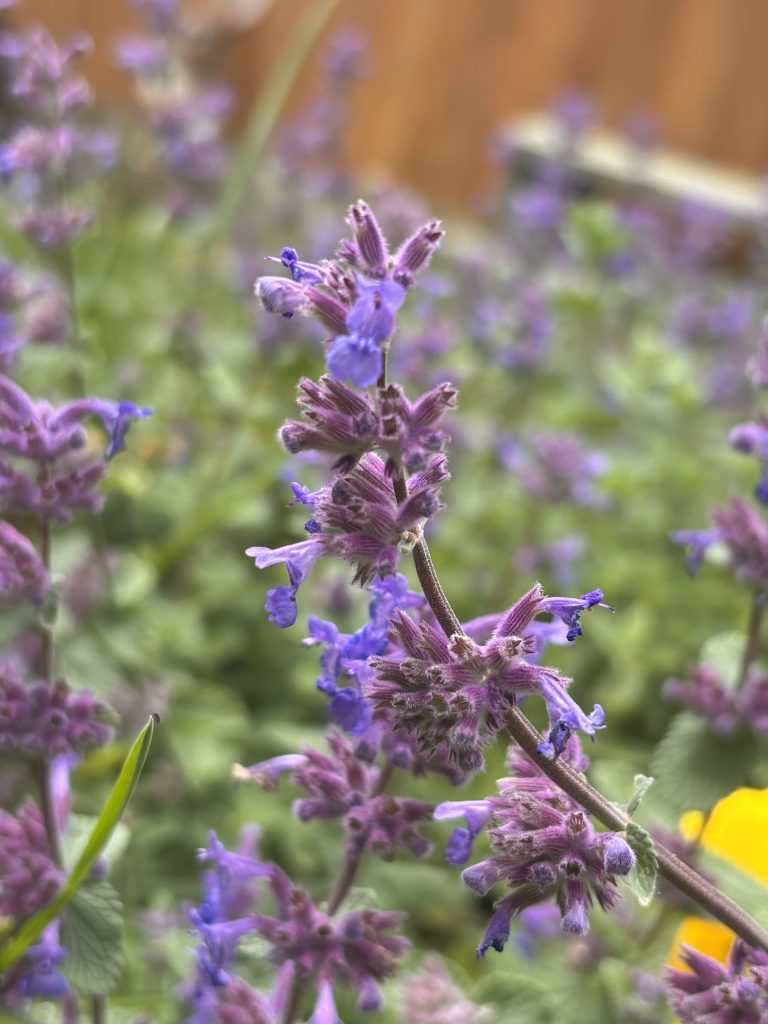
We’ve also been spending time observing the cat mint, which has become a favourite stop for visiting bumblebees. Watching them work has led to some unexpected learning as we’ve been talking about the differences between bumblebees and honeybees. We learned that bumblebees are generally larger and fluffier than honeybees, and that they are important pollinators for many of the plants in our gardens.
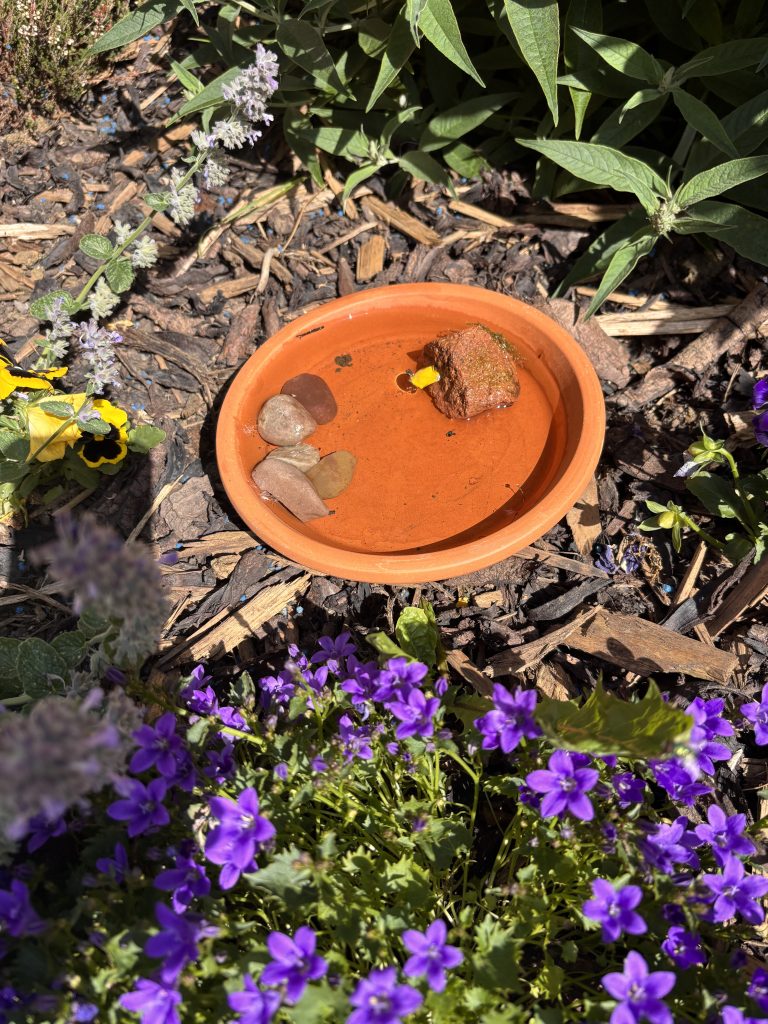
We have also learnt the different sounds the bees make and have discovered some new types we didn’t know about before! We then made a small oasis for bugs to stop and get some water during the hot weather.
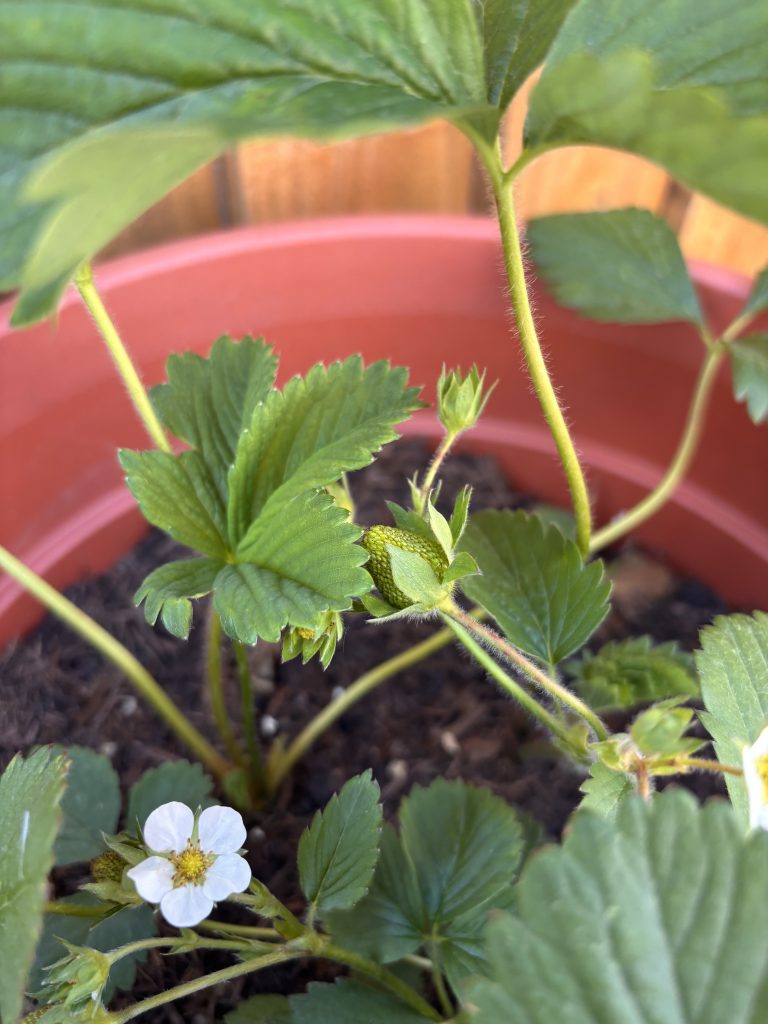
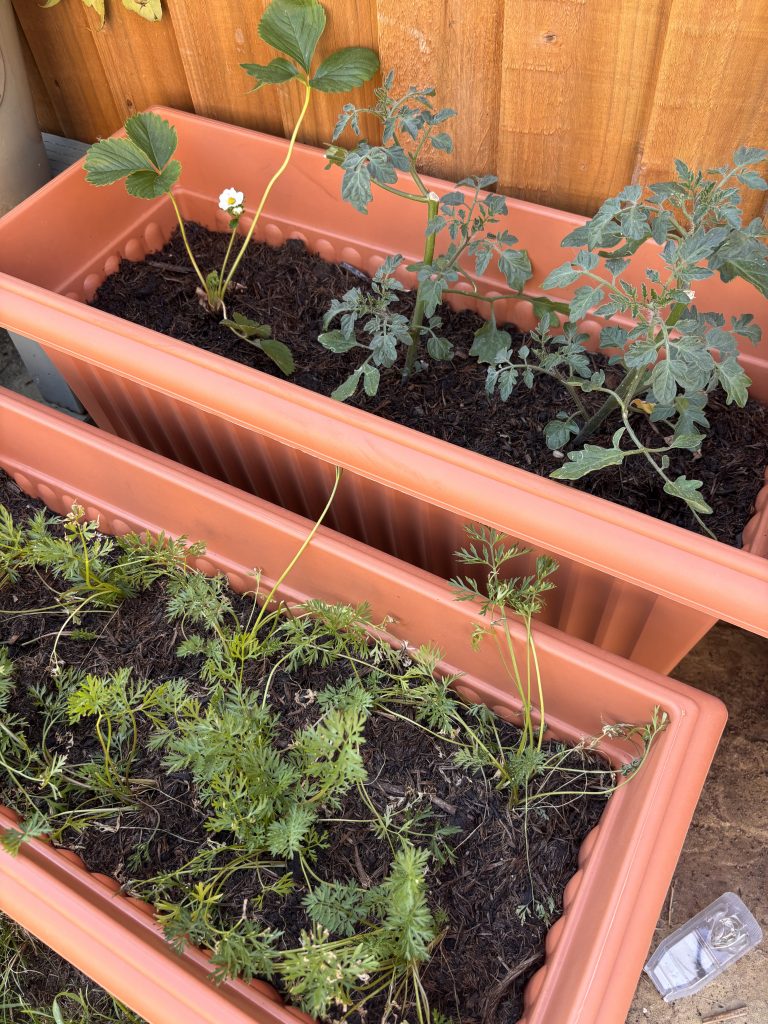
Perhaps the biggest excitement of all has been our strawberry plant. For a long time it seemed determined to produce plenty of leaves but very little fruit. This week, however, we’ve finally spotted some proper strawberries beginning to develop. They’re still green for now, but they’re much larger than any we’ve seen before, and we’re looking forward to watching them ripen over the coming weeks.
The garden and the curriculum
Our garden has been particularly useful this term because our science topics have included plants and biodiversity. We try to encourage as much wildlife as possible by allowing clover, dandelions, and other wildflowers to grow alongside our garden plants. This creates food and shelter for insects, which in turn supports a wide variety of wildlife. It’s been wonderful to see biodiversity not just as something we read about in a book, but as something happening right outside our back door.
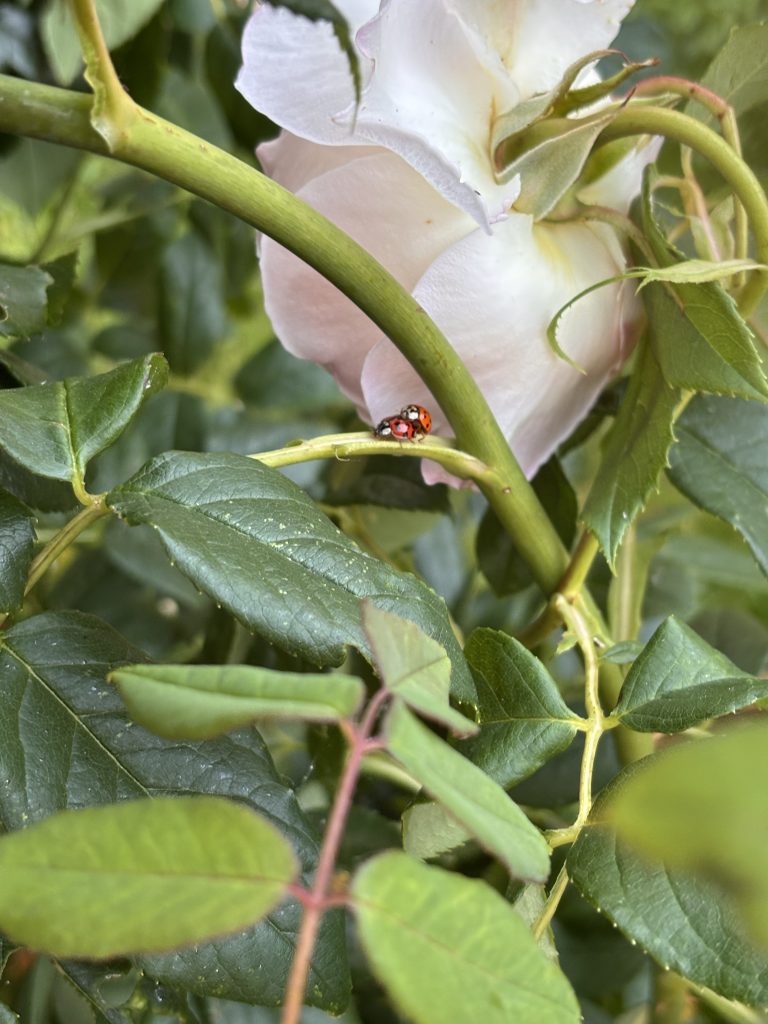
Nature also provided one particularly memorable lesson this week when we discovered two ladybirds in the middle of creating the next generation while exploring the roses. This led to an unexpected but interesting discussion about life cycles, reproduction, and how all living things continue their species. It’s not a conversation I had planned when we stepped into the garden, but that’s one of the things I love most about learning outside a classroom. Sometimes the best learning opportunities are the ones that appear completely uninvited.
As we move into our new science unit on birds, the garden is continuing to provide plenty of learning opportunities. The insects, flowers, and plants attract a surprising amount of birdlife, giving us the chance to observe different species and their behaviours throughout the day. Sometimes the best classroom is simply a garden chair and a few minutes spent watching the world around us.
One of the best things about gardening with children is that it encourages patience and observation. The garden changes a little every day, and there is always something new to discover if you take the time to look closely enough.
Sharing is caring!
Here are some photographs from our garden this week, including Arlo and his catmint empire. Enjoy!